
Blog
Read what's happening in FirstouchKiosk | Keep update yourself about best digital signage solution & technology. Learn how digital signage / digital kiosk / digital notice board and digital standees can help in your business growth.
Read what's happening in FirstouchKiosk | Keep update yourself about best digital signage solution & technology. Learn how digital signage / digital kiosk / digital notice board and digital standees can help in your business growth.
 Touch Screen Kiosk |
  18th Dec 2025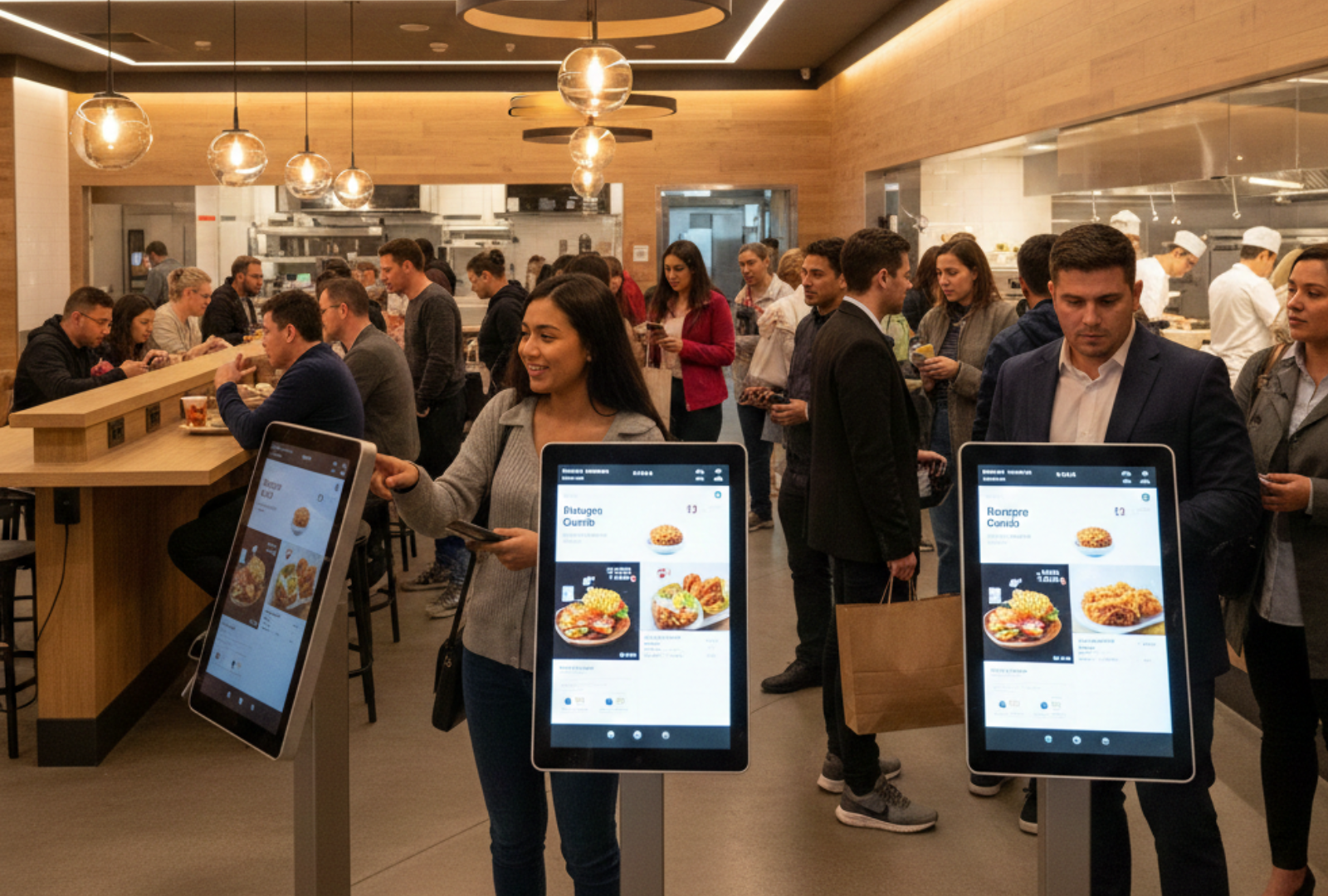
Interactive Digital signage has become common across retail stores, offices, hospitals, airports, and public spaces. Yet despite the widespread adoption, much of it still functions as little more than a digital poster—looping visuals, generic promotions, and one-way communication.
In 2026, this approach is increasingly ineffective.
Customers, visitors, patients, and employees expect physical environments to be as intuitive and responsive as the digital products they use every day. They want quick answers, clear direction, and the ability to act without waiting or asking for help. This shift in expectation is driving the steady rise of interactive digital signage.
Interactive digital signage is no longer about novelty or visual impact. It is about utility. When implemented correctly, it reduces friction, improves decision-making, and supports both customer experience and operational efficiency.
This explains what interactive digital signage means in 2026, how it works in real-world environments, and why it has become an essential part of modern digital infrastructure.
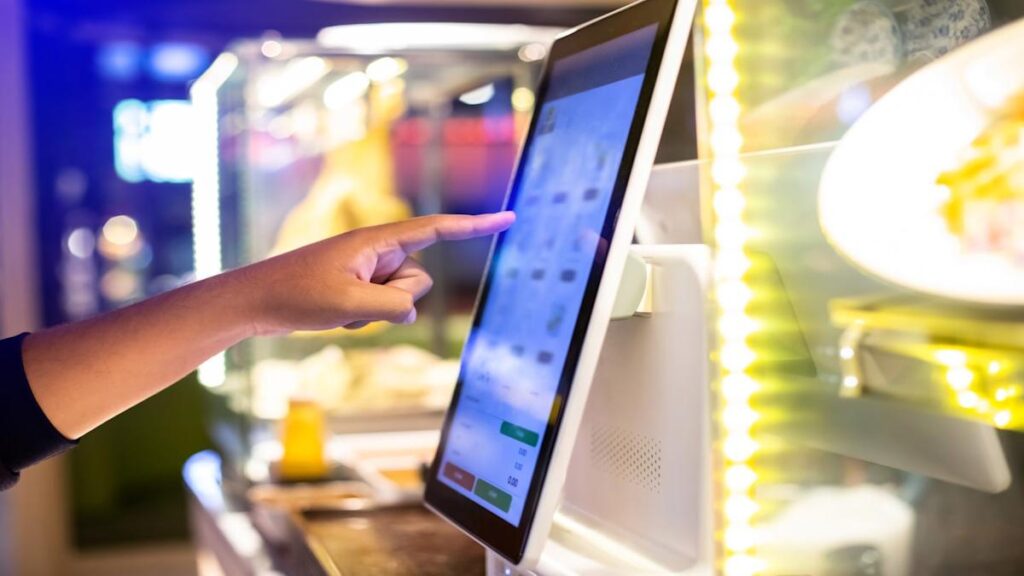
Interactive digital signage refers to digital displays that allow users to engage with content rather than passively view it. Instead of watching a fixed message, people can explore information, make selections, and receive responses based on their input.
In 2026, interaction goes far beyond touchscreens alone. Modern systems support multiple interaction methods, including:
The defining characteristic is not the technology itself, but the shift from one-way communication to two-way engagement. Interactive digital signage gives users control, allowing them to find what they need quickly and independently.
Interactive signage has existed for many years, but several developments have made 2026 a turning point for meaningful adoption.
Earlier systems often suffered from slow performance, poor reliability, and complex interfaces. Today’s interactive digital signage platforms are cloud-managed, remotely updateable, and designed for continuous use. Touchless interaction has improved significantly, and content management systems are far easier to operate at scale.
People are less tolerant of delays and confusion in physical spaces. Whether locating a store, checking in for an appointment, or placing an order, users expect immediate access to information. Interactive signage meets this expectation without requiring staff involvement for routine queries.
Modern interactive digital signage relies on anonymous, aggregated analytics. Instead of tracking individuals, systems measure interaction patterns—such as which options are selected or where users disengage—to improve layout, content, and service delivery.
When deployed with clear objectives, interactive digital signage delivers measurable value across multiple dimensions.
Interactive displays encourage longer and more meaningful engagement than static screens. Users actively explore content that is relevant to their immediate needs.
By answering common questions and guiding users through routine processes, interactive signage reduces pressure on front-desk staff, sales teams, and service counters.
In retail and food service environments, interactive kiosks consistently drive higher average order values and better conversion rates by supporting confident decision-making.
Cloud-based platforms allow businesses to update content instantly across multiple locations, ensuring accuracy during promotions, schedule changes, or emergencies.
Interaction data provides clear visibility into what users care about, enabling continuous improvement without invasive data collection.
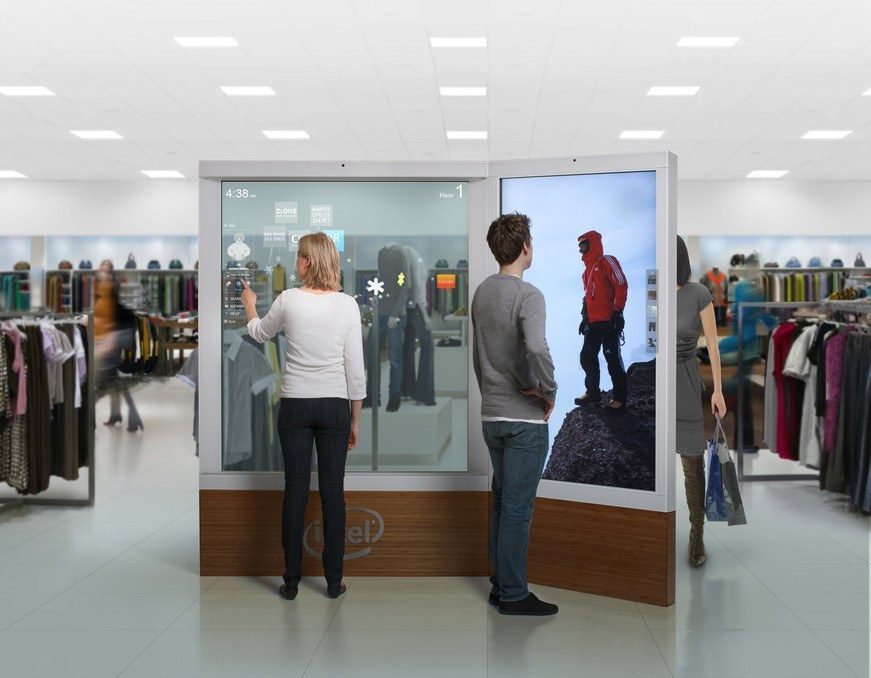
Retail customers want clarity before committing to a purchase. Interactive digital signage supports this by enabling:
These tools reduce uncertainty and allow sales staff to focus on higher-value interactions.
Restaurants and quick-service locations use interactive kiosks to streamline ordering and reduce errors. Modern systems support:
The result is faster service, improved accuracy, and higher customer satisfaction.

Healthcare environments benefit significantly from interactive signage that provides clarity and reduces anxiety. Common applications include:
All systems are designed to meet healthcare compliance and accessibility standards.
In airports, stations, and large public venues, interactive signage helps manage flow and reduce confusion by offering:
This improves passenger experience while reducing operational strain.
Modern offices use interactive signage to improve visitor experience and internal communication through:
These systems create efficient, professional first impressions.
Interactive digital signage fails when it is treated as decoration rather than infrastructure. Common mistakes include:
Successful implementations prioritize simplicity, relevance, and ongoing management.
Looking beyond 2026, several developments will continue shaping this space:
The broader shift is conceptual: interactive signage is increasingly viewed as a service layer, not just a display system.
Interactive digital signage in 2026 is not about larger screens or more animations. It is about designing environments that respect people’s time, reduce friction, and support informed decisions.
Organizations that treat interactive signage as a strategic tool—rather than a visual accessory—gain measurable improvements in efficiency, satisfaction, and performance.
The question for businesses is no longer whether interactive digital signage is relevant, but whether their current screens are truly helping users or simply filling space.
In an experience-driven economy, that distinction matters more than ever.
BACK TO BLOG
we are always happy to help in ways that we can.


